 Robert Ambrogi Blog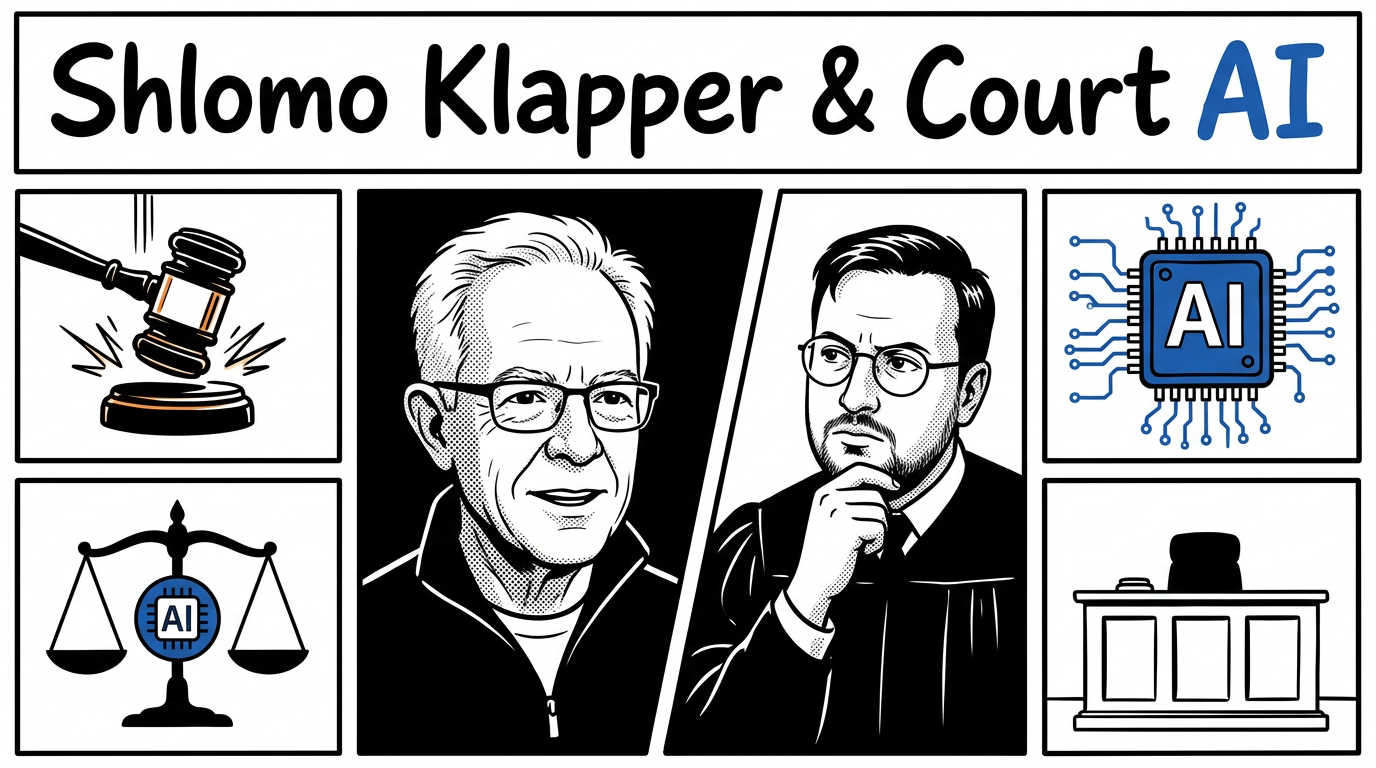


Are courts the next frontier for legal AI? Shlomo Klapper, founder and CEO of the AI-driven judicial case-preparation platofrm Learned Hand, believes they are. A former litigator at Quinn Emanuel and law clerk for the 2nd U.S. Circuit Court of Appeals, Klapper is building what he calls a “reasoning engine” for judges — AI tools designed to help them manage crushing caseloads by organizing case materials, flagging when lawyers bend the truth, and drafting bench memos and orders.
LawNext host Bob Ambrogi interviews Klapper on the heels of significant news: Learned Hand just announced a partnership with the Superior Court of Los Angeles County, the largest trial court in the nation, to explore how AI can support judicial officers across the full arc of a case — from filing through drafting. The company’s technology — the only AI built exclusively for the judiciary — is also used by the Michigan Supreme Court and trial courts in 10 states.
In today’s conversation, Klapper discusses why courts are the next frontier for legal AI, what it takes to earn the trust of judges, and how Jevons Paradox — the idea that as legal services get cheaper, demand will explode — is reshaping the justice system. They also dig into the difficult questions around how Learned Hand addresses concerns about bias and hallucinations, and how it can overcome judges’ skepticism about AI and achieve broad judicial adoption.
Listen here:
Watch here:
Thank You To Our Sponsors
This episode of LawNext is generously made possible by our sponsors. We appreciate their support and hope you will check them out.
-
Paradigm, home to the practice management platforms PracticePanther, Bill4Time, MerusCase and LollyLaw; the e-payments platform Headnote; and the legal accounting software TrustBooks.
-
Briefpoint, eliminating routine discovery response and request drafting tasks so you can focus on drafting what matters (or just make it home for dinner).
If you enjoy listening to LawNext, please leave us a review wherever you listen to podcasts.