 Robert Ambrogi Blog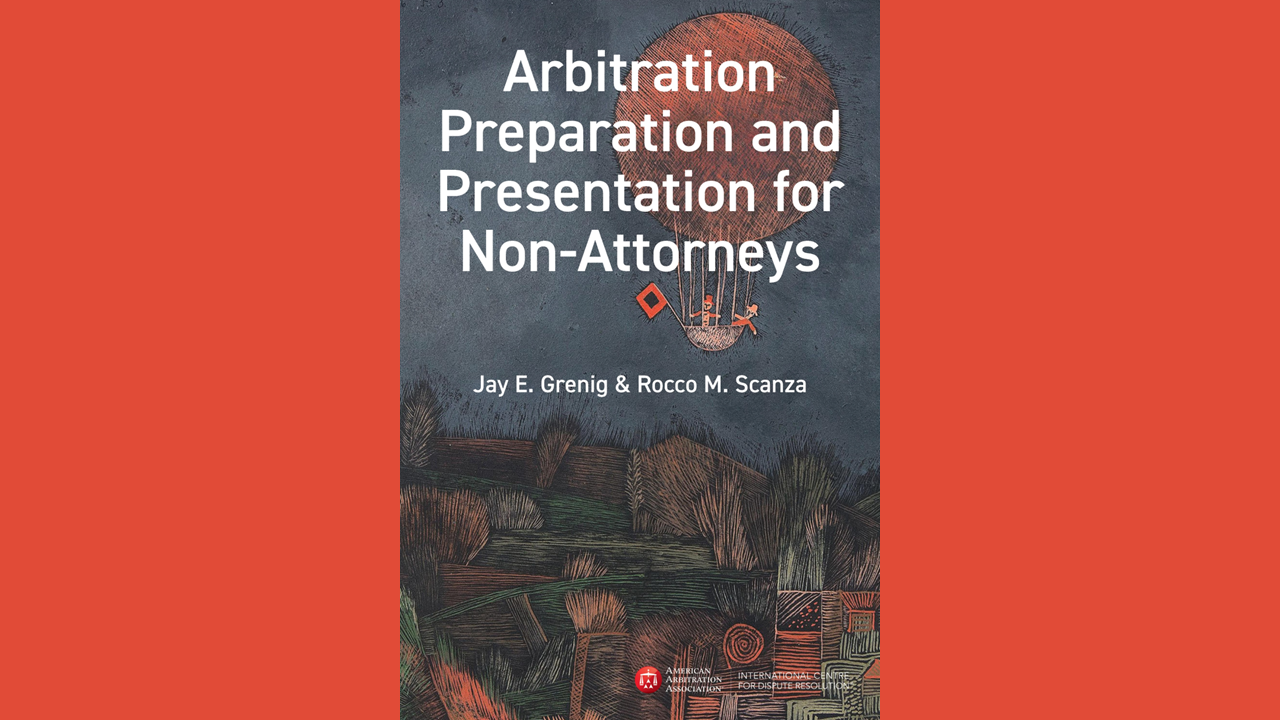


The American Arbitration Association has introduced two free resources aimed at helping individuals and small businesses navigate arbitration without legal representation.
The tools, released today, include an AI-powered chatbook that provides real-time answers to questions about arbitration procedures, rules and case management, and a downloadable PDF handbook that walks users through the arbitration process step-by-step, from filing a case to receiving a final award.
The initiative addresses a significant need: Approximately 30 percent of AAA cases involve one or more self-represented parties, according to Jonathan Weed, assistant vice president at the organization.
“Navigating dispute resolution can seem daunting, especially for those who are representing themselves,” Weed said. “… These new tools are designed to empower participants with the confidence and clarity to present their cases effectively, promoting fairness and efficiency for all.”
The AI chatbook, powered by Edtek.AI, was authored by Jay Grenig and Rocco M. Scanza, who also wrote a prior chatbook edition designed for attorney advocates and released earlier this year. This new version provides guidance tailored specifically for non-lawyers navigating arbitration.
Steve Errick, chief development officer at AAA, said this launch is part of the organization’s broader mission to make dispute resolution more accessible. “These tools are part of our mission to make dispute resolution more accessible, fair and efficient for all participants,” he said.
The PDF handbook offers plain-language, step-by-step guidance through each stage of arbitration, from filing a case through receiving a final award.
AAA indicated that the AAA-ICDR Institute will introduce additional initiatives in 2026 to further support self-represented parties in arbitration.
The resources are available at https://www.adr.org/chatbook/non-attorneys.